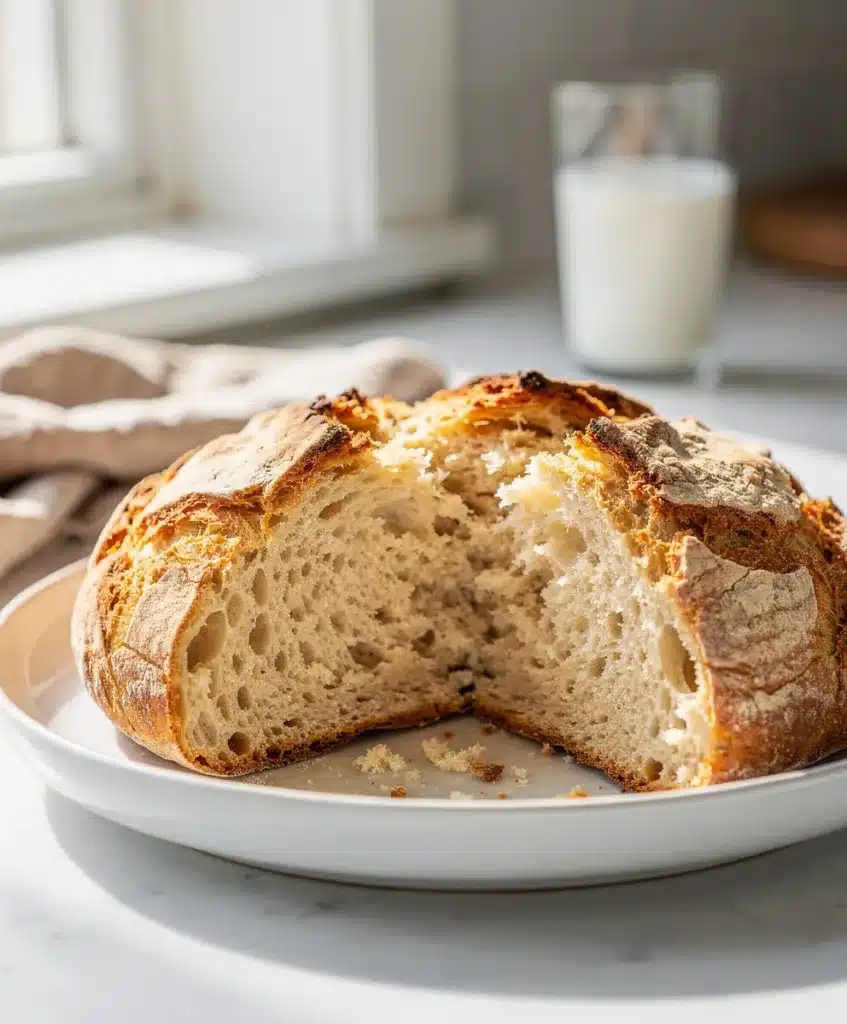
In my grandmother’s hands moved with a quiet rhythm, flour dusting the worn wooden table, and that memory is why my Irish soda bread recipe feels like a hug from the past. It’s a simple, tender loaf that comes together with a satisfying crackle from the oven, needing no yeast or fuss. This is the kind of baking I love most. No waiting for dough to rise, no complicated techniques. Just a bowl, a spoon, and a handful of honest ingredients that transform into something warm and wonderful. This Irish soda bread recipe is my go-to for a reason. It’s the ultimate comfort food, made easy. It’s the kind of food that feels like home, whether you’re celebrating Saint Patricks Day food traditions or just need a hearty slice with your morning tea.
I think we sometimes forget how magical simple baking can be. This loaf is a perfect example. With its golden, craggy crust and soft, pillowy crumb, it’s a humble masterpiece. It’s a staple of healthy Saint Patricks Day food because it’s made with wholesome ingredients like buttermilk and oats, but let’s be real—it’s also just incredibly delicious slathered with good butter and a dollop of jam. It’s forgiving, fast, and fills your kitchen with the best smell. Whether you’re a seasoned baker or someone who’s a little nervous around flour, this recipe is for you. Regular kitchen, regular time, great results. Let’s make some bread.
Table of Contents
Irish Soda Bread

This is a simple, tender loaf that comes together quickly without yeast. It has a golden, craggy crust and a soft, pillowy crumb, making it the ultimate comfort food.
- Prep Time: 10min
- Cook Time: 50min
- Total Time: 1h
- Yield: 1 loaf 1x
- Category: Snack
- Method: Baking
- Cuisine: Irish
Ingredients
- 3 cups all-purpose flour, plus extra for dusting
- 1 cup old-fashioned rolled oats
- 1/4 cup granulated sugar
- 1 teaspoon baking soda
- 1 teaspoon salt
- 1 3/4 cups cold buttermilk
- 4 tablespoons cold unsalted butter, cut into small pieces
Instructions
- Preheat oven to 375°F (190°C).
- In a large bowl, whisk together flour, oats, sugar, baking soda, and salt.
- Add cold butter pieces. Use a pastry cutter, forks, or fingertips to work butter into flour until mixture resembles coarse crumbs.
- Make a well in the center. Pour in all the cold buttermilk at once.
- Stir with a wooden spoon just until a shaggy, sticky dough forms. Do not overmix.
- Turn dough onto a floured surface. With floured hands, gently knead 8-10 times to form a cohesive ball.
- Shape dough into a 7-inch round loaf. Place on a parchment-lined baking sheet.
- Use a sharp knife to cut a deep X, about 1/2 inch deep, into the top of the loaf.
- Bake for 45 to 50 minutes, until deeply golden brown and hollow-sounding when tapped.
- Transfer loaf to a wire rack. Let cool for at least 20 minutes before slicing.
Notes
For best results, use cold ingredients and do not overmix or over-knead the dough. The X score is essential for even baking. Bread is best the day it is made but stores well wrapped at room temperature for 2 days.
Nutrition
- Serving Size: 12
- Calories: 210
- Sugar: 6
- Sodium: 320
- Fat: 6
- Saturated Fat: 3.5
- Unsaturated Fat: 2
- Trans Fat: 0
- Carbohydrates: 34
- Fiber: 2
- Protein: 5
- Cholesterol: 15
Ingredients List
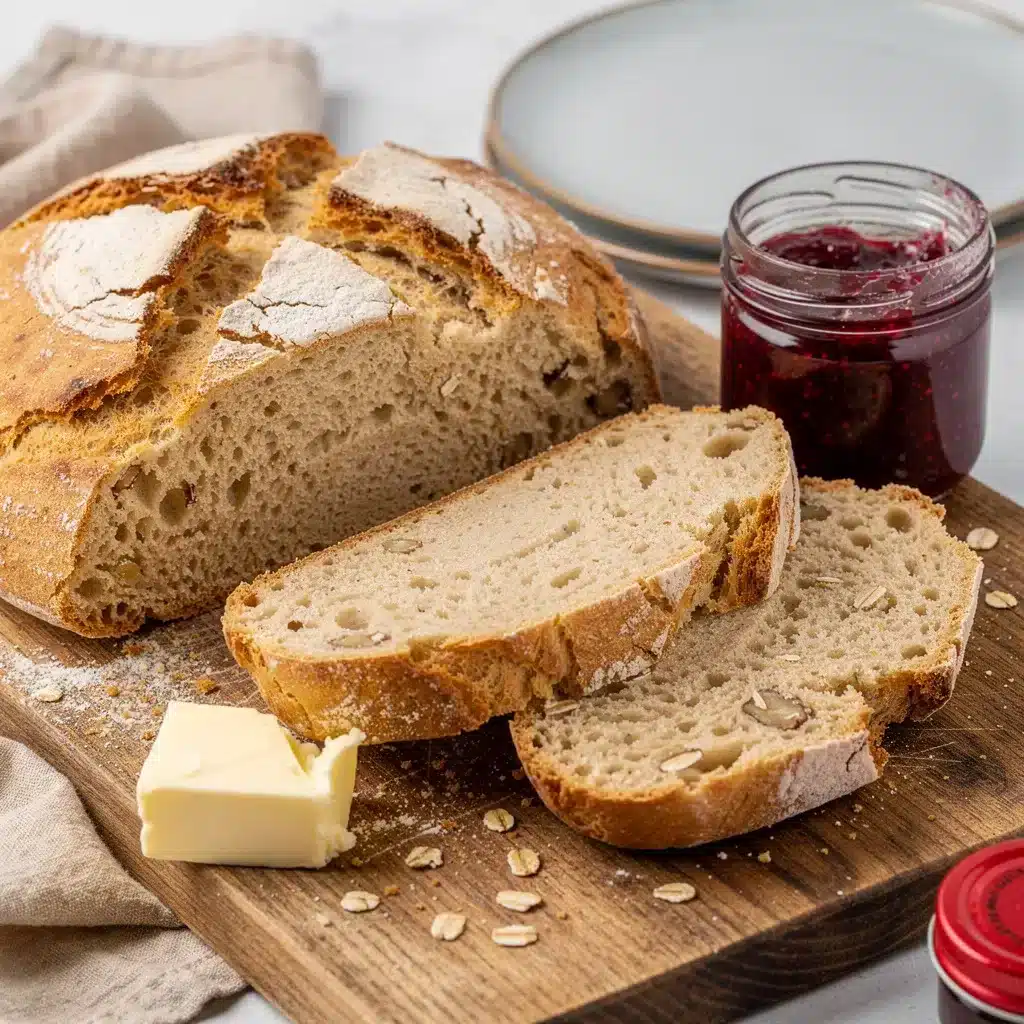
Irish soda bread begins with a short, simple list. You likely have most of these in your pantry right now. The beauty is in their simplicity.
- 3 cups all-purpose flour, plus extra for dusting
- 1 cup old-fashioned rolled oats (not instant)
- 1/4 cup granulated sugar
- 1 teaspoon baking soda
- 1 teaspoon salt
- 1 3/4 cups cold buttermilk
- 4 tablespoons cold unsalted butter, cut into small pieces
Smart Swaps & Notes:
- Buttermilk: No buttermilk? No problem. Make your own by adding 1 tablespoon of white vinegar or lemon juice to 1 3/4 cups of regular milk. Let it sit for 5 minutes until it curdles slightly.
- Flour: For a heartier, whole-grain version, you can substitute 1 cup of the all-purpose flour with whole wheat flour.
- Sugar: The sugar here is subtle, just enough to balance the tang of the buttermilk. You can reduce it to 2 tablespoons if you prefer a more savory loaf.
- Add-Ins: This is a classic, plain loaf, but feel free to stir in 1/2 cup of raisins or currants for a traditional touch. For a vegan Saint Patricks Day food option, use a plant-based butter and a non-dairy buttermilk alternative (like soy milk with vinegar).
Timing
One of the greatest joys of this Irish soda bread is how quickly it comes together. From bowl to table in under an hour.
- Prep Time: 10 minutes
- Cook Time: 45-50 minutes
- Total Time: About 1 hour
That’s nearly 50% faster than most yeast breads, with all the homemade satisfaction intact.
Step-by-Step Instructions
1. Combine the Dry Ingredients
Preheat your oven to 375°F (190°C). In a large mixing bowl, whisk together the flour, oats, sugar, baking soda, and salt. This ensures the leavening agent (the baking soda) is evenly distributed, which is crucial for a good rise. Take a moment to run your fingers through the mix—it should feel light and aerated.
2. Cut in the Butter
Add the cold, cubed butter to the dry ingredients. Using a pastry cutter, two forks, or just your fingertips, work the butter into the flour mixture until it resembles coarse crumbs with some pea-sized pieces of butter remaining. This step creates little pockets of fat that will steam in the oven, contributing to a tender crumb and flaky layers.
3. Make a Well and Add Buttermilk
Create a well in the center of your flour-butter mixture. Pour in the cold buttermilk all at once. The cold liquid helps keep the butter from melting, which is key for texture.
4. Mix Gently, Then Knead Briefly
Using a sturdy wooden spoon or a spatula, stir the mixture just until a shaggy, sticky dough forms. It will look rough and uneven—that’s perfect. Do not overmix. Turn the dough out onto a lightly floured surface. With floured hands, gently knead it 8-10 times, just enough to bring it together into a cohesive ball. Over-kneading is the enemy of tender Irish soda bread; it develops gluten and makes the bread tough.
5. Shape and Score
Shape the dough into a round loaf, about 7 inches in diameter. Place it on a parchment-lined or lightly greased baking sheet. Using a sharp knife or a bench scraper, cut a deep “X” into the top of the loaf, about 1/2 inch deep. This iconic score isn’t just for looks; it helps the heat penetrate the center of the dense dough, ensuring it bakes evenly and allows the crust to expand beautifully.
6. Bake to Golden Perfection
Bake in the preheated oven for 45 to 50 minutes. The bread is done when it is deeply golden brown all over and sounds hollow when you tap the bottom. If you’re unsure, an instant-read thermometer inserted into the center should read about 190°F. Transfer the loaf to a wire rack and let it cool for at least 20 minutes before slicing. I know it’s hard to wait, but this resting time allows the crumb to set, so you get neat slices instead of a crumbly mess.
Nutritional Information
This information is for one serving (based on 12 slices per loaf).
- Calories: ~210
- Total Fat: 6g
- Saturated Fat: 3.5g
- Carbohydrates: 34g
- Fiber: 2g (from the oats)
- Sugars: 6g
- Protein: 5g
This Irish soda bread offers a good source of energy from complex carbohydrates. The oats provide soluble fiber, which can help you feel full and satisfied—a quality it shares with my recipes for Strawberry Shortcake Overnight Oats and Vanilla Overnight Oats. Buttermilk adds protein, calcium, and that signature tang.
Equipment Needed
You don’t need any fancy tools to make great Irish soda bread. A regular kitchen will have everything.
- Large mixing bowl
- Whisk
- Pastry cutter or two forks
- Wooden spoon or spatula
- Baking sheet
- Parchment paper (optional but helpful)
- Wire cooling rack
- Sharp knife or bench scraper for scoring
Why You’ll Love This Recipe
This isn’t just another bread recipe. It’s a kitchen companion.
- No Yeast, No Wait: Forget about proofing and rising times. This bread uses baking soda for instant lift, meaning warm bread is less than an hour away.
- Incredibly Forgiving: Unlike finicky pastry dough, this Irish soda bread is hard to mess up. A shaggy dough is what you want. It’s beginner-friendly baking at its best.
- Pantry-Friendly Ingredients: Flour, oats, buttermilk, sugar, baking soda, salt, butter. That’s it. Simple ingredients, warm memories.
- Versatile Comfort Food: Enjoy it sweet with jam, savory with soup, or simply with a generous smear of butter. It’s the ultimate utility player in your bread basket.
- The Smell & The Sound: The aroma of baking Irish soda bread is pure comfort. And that hollow thump when you tap the finished loaf? Chef’s kiss.
Healthier Alternatives for the Recipe
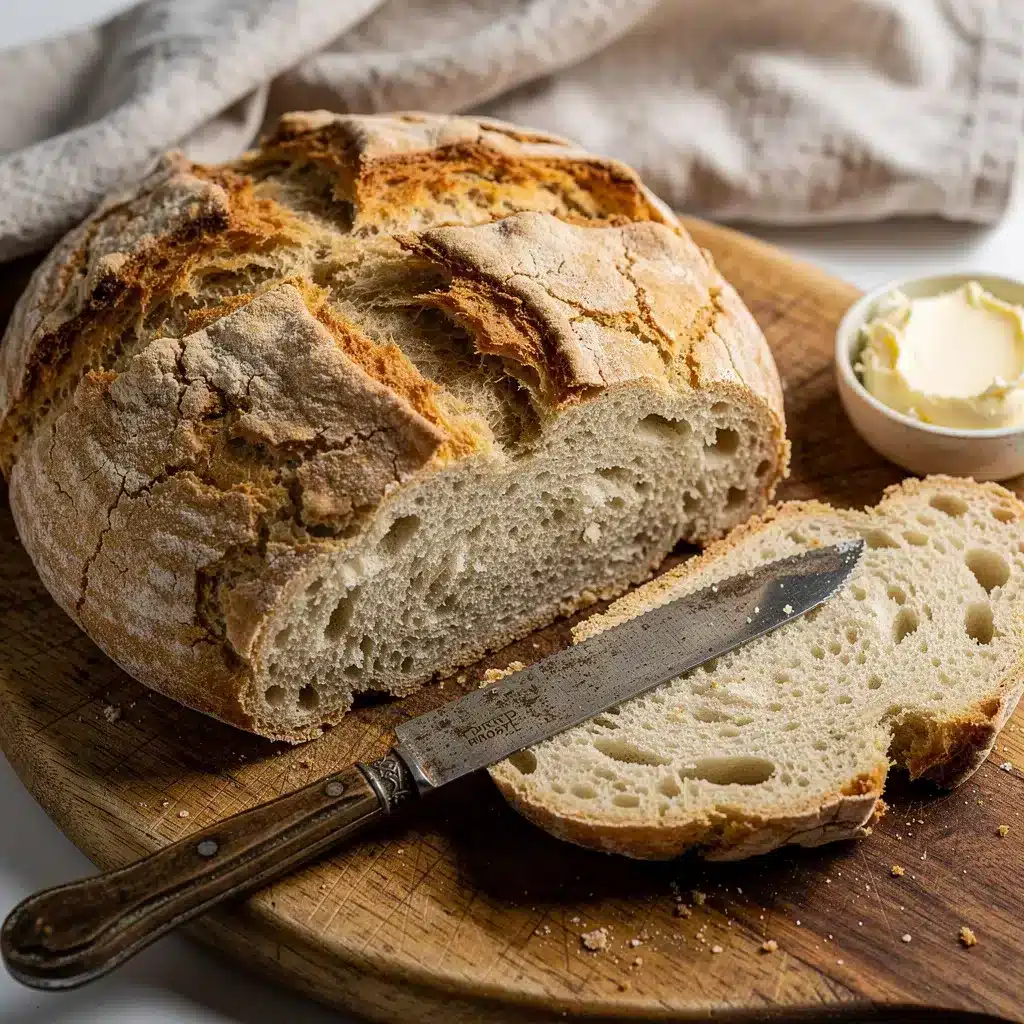
You can easily adapt this classic to fit different dietary needs without losing its soul.
- Gluten-Free: Use a 1:1 gluten-free all-purpose flour blend and certified gluten-free oats. The texture will be slightly more crumbly but still delicious.
- Dairy-Free/Vegan: For vegan Saint Patricks Day food, use a plant-based butter stick and create a “buttermilk” with unsweetened almond or soy milk and vinegar. The result is wonderfully tender.
- Lower Sugar: Reduce the granulated sugar to 2 tablespoons, or substitute it with coconut sugar for a deeper, molasses-like flavor.
- Higher Fiber: Replace 1 cup of the all-purpose flour with whole wheat flour or spelt flour. You can also add 2 tablespoons of ground flaxseed to the dry ingredients.
Serving Suggestions
A warm loaf of Irish soda bread is a welcome sight any time of day.
- Classic Saint Patricks Day Food: Serve thick slices alongside a hearty stew like beef and Guinness pie or a simple potato soup. It’s perfect for soaking up every last drop.
- Breakfast or Brunch: Toast a slice and top with creamy butter and a sharp marmalade or raspberry jam. It pairs beautifully with a cup of tea or coffee, much like my Pumpkin Scones or Pumpkin Coffee Cake.
- Afternoon Snack: A slice with a wedge of sharp cheddar cheese and an apple is my favorite 3 p.m. pick-me-up.
- Sweet Treat: For a dessert-like twist, split a slice, toast it, and top with whipped cream and berries for a quick shortcake.
Common Mistakes to Avoid
A few small tips can make the difference between good bread and great bread.
- Overmixing the Dough: This is the #1 mistake. Stir just until the flour is moistened and knead only 8-10 times. A lumpy, sticky dough is correct. Overworking it makes the bread dense.
- Using Warm Buttermilk or Butter: Cold ingredients are non-negotiable. They ensure the butter stays in solid pieces to create steam and lift. If your kitchen is warm, pop your measured buttermilk in the fridge until the last second.
- Skipping the Score: That “X” is functional. It allows the center to bake through and gives the crust a place to expand. Make it nice and deep.
- Slicing While Hot: I know, the temptation is real. But cutting into your Irish soda bread too soon releases steam and makes the crumb gummy. Let it rest for 20 minutes on a wire rack.
- Baking on the Wrong Surface: Placing the dough directly on a cold baking sheet can lead to a soggy bottom. Using parchment paper ensures easy removal and even browning.
Storing Tips for the Recipe
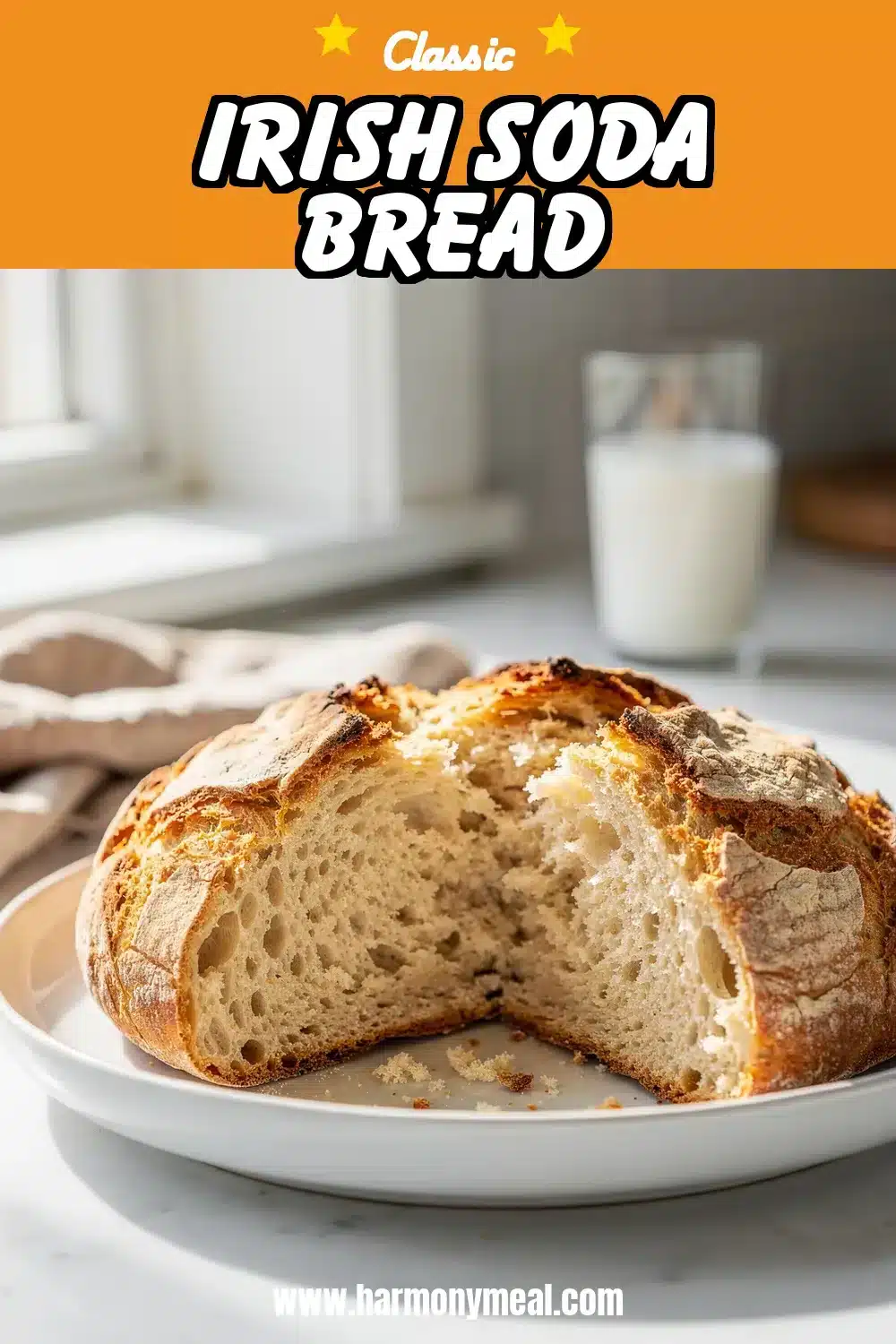
Irish soda bread is best the day it’s made, but it’s still wonderful for days after if stored properly.
- Room Temperature: Once completely cool, wrap the loaf tightly in plastic wrap or store it in an airtight container at room temperature for up to 2 days.
- To Refresh: If your bread has staled a bit, wrap a slice in a damp paper towel and microwave for 10-15 seconds. Alternatively, place the whole loaf, unwrapped, in a 350°F oven for 5-10 minutes to crisp the crust and warm the interior.
- Freezing: This bread freezes beautifully. Wrap the cooled loaf (or individual slices) tightly in plastic wrap and then in aluminum foil or a freezer bag. Freeze for up to 3 months. Thaw at room temperature or toast directly from frozen.
- Leftover Idea: Stale Irish soda bread makes fantastic bread pudding or savory strata. You can also pulse it in a food processor to make breadcrumbs for topping casseroles.
Conclusion
There’s a special kind of magic in baking something so simple and so satisfying. This Irish soda bread recipe, with its golden crust and soft, tender crumb, is a testament to the idea that the best foods don’t need to be complicated. They just need to be made with care. It’s a loaf that bridges generations—a taste of tradition that fits perfectly into a modern, busy kitchen. Whether it becomes part of your Saint Patricks Day food lineup or your regular weekly baking routine, I hope it brings as much warmth to your table as it does to mine.
I’d love to hear how your baking turns out! Did you add raisins? Try it with soup? Let me know in the comments below. And if you’re looking for more easy, comforting quick breads to try, my recipes for Pumpkin Muffins and Pumpkin Coffee Cake are always a hit. Don’t forget to tag @HarmonyMeal on Pinterest so I can see your beautiful, homemade loaves. Happy baking.
FAQs about Irish Soda Bread
What is it about Irish soda bread?
Irish Soda Bread is a quick bread leavened with baking soda instead of yeast. It typically contains flour, baking soda, salt, and buttermilk. Its dense texture and slightly tangy flavor make it a popular choice, especially around St. Patrick’s Day.
Why is my Irish soda bread so hard?
Hard Irish Soda Bread can be caused by overmixing the dough, using too much flour, or overbaking. Mix the dough gently until just combined, measure flour accurately, and check for doneness a few minutes before the recipe’s suggested baking time.
Why does Irish soda bread have a cross?
The cross cut into the top of Irish Soda Bread has several purposes. Traditionally, it was believed to ward off evil and bless the bread. Practically, it allows heat to penetrate the center of the loaf for more even baking and helps the bread rise properly.
What is the best thing to eat with Irish soda bread?
Irish Soda Bread is delicious with butter and jam, alongside a hearty stew or soup, or even toasted with smoked salmon and cream cheese. Its dense texture pairs well with both sweet and savory flavors.
Does Irish soda bread taste good?
Yes, when made properly, Irish Soda Bread tastes good! It has a slightly tangy, rustic flavor with a dense, crumbly texture. The taste can vary depending on the recipe; some include raisins or caraway seeds for added flavor.
What flour is best for Irish soda bread?
All-purpose flour is commonly used for Irish Soda Bread, but some prefer using a mix of all-purpose and cake flour for a slightly softer texture. You can also use a coarser flour, like whole wheat, for a nuttier, denser loaf.
💬 Lets Stay Connected!
For daily recipes, kitchen tips, and exclusive content, follow me on:
👉 Facebook for behind-the-scenes & community fun
👉 Pinterest for visual inspiration & meal ideas
👉 X (Twitter) for quick tips & trending recipes
📲 Join the flavor journey, your next favorite recipe is just a follow away!