
For a hearty meal that feels indulgent yet stays balanced, this classic Dublin Coddle is a perfect choice. We’re building deep flavor with leaner pork and plenty of herbs, so it’s satisfying without being heavy. There’s something about a pot simmering on the stove, filling the kitchen with the scent of herbs and savory broth, that feels like a warm hug at the end of a long day. That’s the magic of a true Dublin Coddle recipe. It’s the kind of food that asks for very little but gives back so much comfort.
My first taste of a proper Dublin Coddle wasn’t in a pub in Ireland, but in a friend’s cozy kitchen on a rainy March evening. She was prepping for St. Patrick’s Day and wanted something simpler than the usual corned beef. What came out of her oven was a revelation: tender sausages, soft potatoes, and sweet onions, all swimming in a rich, herby broth. It was the ultimate cozy Irish dinner, and I knew I had to learn how to make it my own. This dish is the definition of comfort food, made easy. It’s a one-pot wonder that requires more patience than skill, perfect for a relaxed family dinner or a festive, easy St. Patrick’s Day food centerpiece. Let’s get that pot warming.
Table of Contents
Dublin Coddle

A hearty and comforting one-pot Irish stew featuring tender sausages, pork, potatoes, and onions in a savory herbed broth. This dish is simple to prepare and perfect for a cozy family dinner or a festive St. Patrick’s Day meal.
- Prep Time: 20min
- Cook Time: 1h 30min
- Total Time: 1h 50min
- Yield: 6 servings 1x
- Category: Dinner
- Method: simmering
- Cuisine: Irish
Ingredients
- 1 ½ pounds good-quality pork sausages (Irish bangers, mild Italian, or bratwurst)
- 1 pound pork loin or pork shoulder, cut into 1-inch chunks
- 1 large yellow onion, thinly sliced
- 4–5 large russet potatoes, peeled and cut into thick chunks
- 4 cloves garlic, minced
- 4 cups low-sodium chicken broth or beef broth
- ½ cup dry white wine (optional)
- 2 tablespoons fresh parsley, chopped, plus more for garnish
- 1 tablespoon fresh thyme leaves (or 1 teaspoon dried)
- 2 bay leaves
- 1 tablespoon olive oil or butter
- Salt and freshly ground black pepper to taste
Instructions
- Brown the sausages in a large Dutch oven over medium-high heat for 5-7 minutes. Remove to a plate.
- Brown the pork chunks in batches in the same pot. Do not crowd the pan. Set aside with sausages.
- Add sliced onions to the pot and cook for 5-7 minutes until soft and golden. Add garlic and cook 1 minute more.
- If using, pour in white wine to deglaze, scraping up browned bits. Simmer for 2 minutes.
- Layer half the potatoes, then half the browned meats in the pot. Season lightly with salt and pepper. Repeat with remaining potatoes and meats.
- Pour broth over the layers. It should come about halfway up the ingredients. Tuck in bay leaves and sprinkle thyme on top.
- Bring to a gentle boil, then reduce heat to low. Cover and simmer gently for 1 to 1 ½ hours, until potatoes are tender.
- Remove bay leaves. Stir in fresh parsley. Taste and adjust seasoning with salt and pepper. Ladle into bowls and serve.
Notes
For a leaner version, use chicken thighs or turkey sausages. Add carrots or parsnips with the potatoes for extra vegetables. Ensure sausages are gluten-free for a gluten-free meal. The stew freezes well for up to 3 months.
Nutrition
- Serving Size: 6
- Calories: 480
- Sugar: 3
- Sodium: 800
- Fat: 22
- Saturated Fat: 7
- Unsaturated Fat: 12
- Trans Fat: 0
- Carbohydrates: 35
- Fiber: 3
- Protein: 32
- Cholesterol: 85
Ingredients List for Dublin Coddle
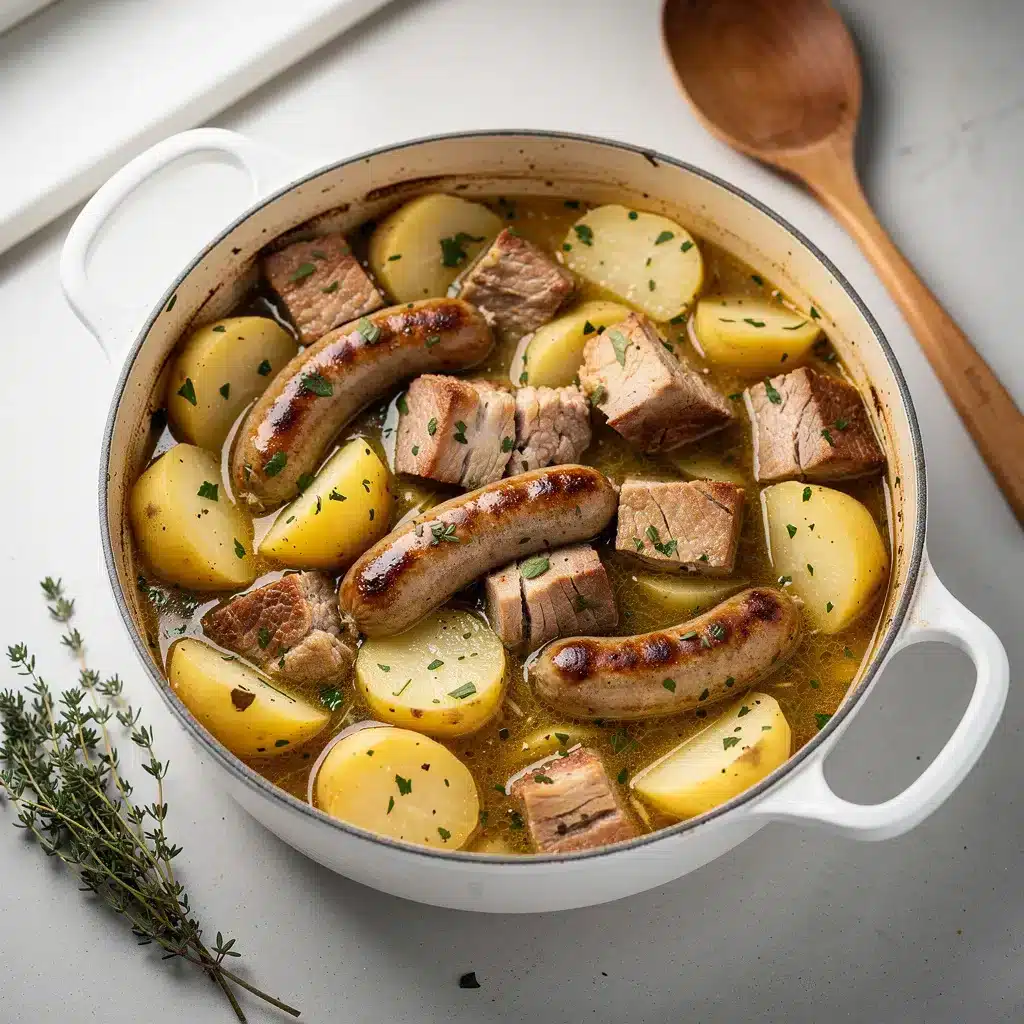
A great Dublin Coddle starts with humble, honest ingredients. You don’t need anything fancy here—just good-quality basics that transform into something deeply comforting. This is the kind of st. patricks day food that feels authentic and homemade.
- 1 ½ pounds good-quality pork sausages (Irish bangers are ideal, but a mild Italian or bratwurst works beautifully)
- 1 pound pork loin or pork shoulder, cut into 1-inch chunks (boneless chicken thighs are a great leaner swap)
- 1 large yellow onion, thinly sliced
- 4-5 large russet potatoes, peeled and cut into thick chunks
- 4 cloves garlic, minced
- 4 cups low-sodium chicken broth (or beef broth for deeper flavor)
- ½ cup dry white wine (optional, but lovely for brightness)
- 2 tablespoons fresh parsley, chopped, plus more for garnish
- 1 tablespoon fresh thyme leaves (or 1 teaspoon dried)
- 2 bay leaves
- 1 tablespoon olive oil or butter
- Salt and freshly ground black pepper to taste
Smart Swaps: No white wine? Use an extra ½ cup of broth with a splash of apple cider vinegar. For a gluten-free Dublin Coddle, ensure your sausages are certified gluten-free. You can also add carrots or parsnips along with the potatoes for extra veg.
Timing for Dublin Coddle
This is slow, gentle cooking. The hands-on time is minimal, but the simmering time is where the magic happens.
- Prep Time: 20 minutes
- Cook Time: 1 hour 30 minutes
- Total Time: About 1 hour 50 minutes
Think of it this way: it takes about the same time as my beloved Slow Cooker Pot Roast, but with the rewarding aroma filling your kitchen the whole time.
Step-by-Step Instructions for Dublin Coddle
The process for this Dublin Coddle recipe is wonderfully straightforward. It’s all about building layers of flavor in one pot.
1. Brown the Meats. In a large, heavy-bottomed pot or Dutch oven, heat the oil over medium-high heat. Brown the sausages on all sides until they have good color, about 5-7 minutes. Remove them to a plate. In the same pot, brown the pork chunks in batches, getting a nice sear on each piece. Don’t crowd the pan! Set the pork aside with the sausages.
2. Build the Base. In the same pot with all those delicious browned bits, add the sliced onions. Cook for 5-7 minutes until they are soft and starting to turn golden. Add the minced garlic and cook for just one more minute until fragrant. This is your flavor foundation.
3. Deglaze and Layer. If using, pour in the white wine and scrape up all the browned bits from the bottom of the pot—that’s pure flavor! Let it simmer for 2 minutes. Now, start layering your Dublin Coddle. Add half of the potato chunks, then half of the browned meats. Season lightly with salt and pepper. Repeat with the remaining potatoes and meats.
4. Simmer to Perfection. Pour the broth over everything—it should come about halfway up the ingredients. Tuck in the bay leaves and sprinkle the thyme over the top. Bring to a gentle boil, then immediately reduce the heat to low. Cover the pot and let it simmer gently for 1 to 1 ½ hours. The potatoes should be fork-tender and the broth rich and flavorful.
5. Finish and Serve. Carefully remove the bay leaves. Stir in the fresh parsley. Taste the broth and adjust seasoning with more salt and pepper if needed. Your Dublin Coddle is ready. Ladle it into deep bowls, making sure everyone gets plenty of sausage, pork, potatoes, and that incredible broth.
Nutritional Information for Dublin Coddle
This nutritional breakdown is for one serving (recipe serves 6). Remember, using leaner pork and low-sodium broth makes a big difference.
- Calories: ~480
- Protein: 32g
- Carbohydrates: 35g
- Fat: 22g (Saturated Fat: 7g)
- Fiber: 3g
- Key Notes: Potatoes provide vitamin C and potassium, while the broth and herbs contribute to a comforting, hydrating meal. It’s a balanced plate of protein, carbs, and flavor.
Equipment Needed for Dublin Coddle
You don’t need special gear for this cozy Irish dinner. A regular kitchen setup works perfectly.
- A large Dutch oven or heavy-bottomed pot with a tight-fitting lid (this is essential for the long, slow simmer)
- Sharp knife and cutting board
- Measuring cups and spoons
- Wooden spoon or spatula
- Ladle for serving
Why You’ll Love This Dublin Coddle Recipe
This isn’t just another stew. This Dublin Coddle recipe earns its place in your regular rotation for so many reasons.
- One-Pot Wonder: Minimal cleanup is a beautiful thing. Everything cooks in one vessel, from browning to simmering.
- The Ultimate Comfort Food: It’s deeply savory, incredibly hearty, and tastes like it simmered all day. It’s the definition of food that feels like home.
- Perfect for a Crowd: It scales up easily and is ideal for a relaxed, family-style St. Patrick’s Day food spread or a casual weekend dinner with friends.
- Forgiving and Flexible: Don’t have one herb? Use another. Want more veggies? Toss them in. This Dublin Coddle is adaptable to what you have on hand.
Healthier Alternatives for Dublin Coddle
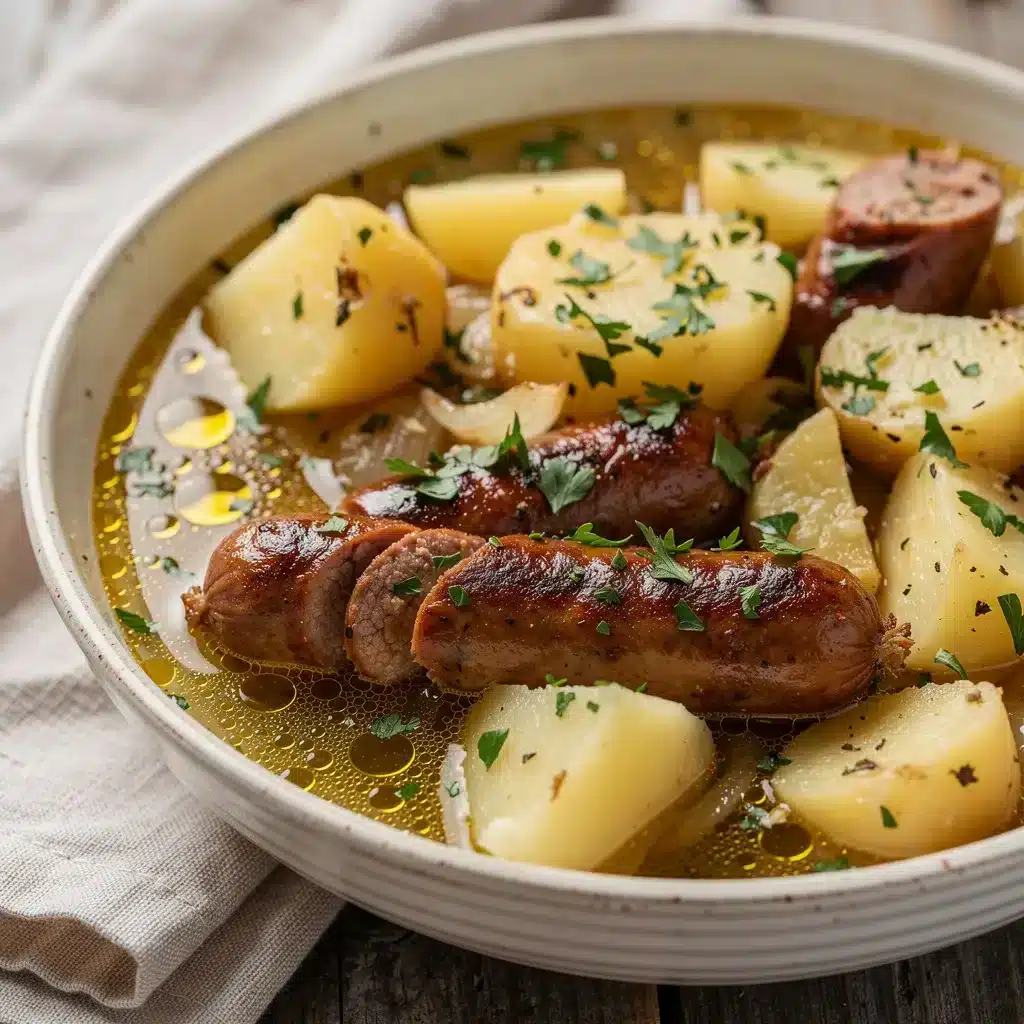
You can absolutely tweak this classic to fit different dietary needs without losing its soul-warming essence.
- Leaner Protein: Swap the pork loin for skinless chicken thighs or even extra-lean turkey sausages.
- Lower Sodium: Use no-salt-added broth and limit added salt, letting the herbs and natural meat juices provide the seasoning.
- More Vegetables: Add chunks of carrot, celery, or parsnips with the potatoes for extra fiber and nutrients. A handful of chopped kale stirred in at the end adds color and vitamins.
- Gluten-Free: As mentioned, just double-check your sausage labels to ensure they are gluten-free. The rest of the ingredients naturally are.
Serving Suggestions for Dublin Coddle
A bowl of Dublin Coddle is a complete meal, but a few simple additions can make it a feast.
- The Essential Side: A thick slice of crusty, buttered soda bread or a dense brown bread is non-negotiable for soaking up every last drop of broth.
- For Freshness: A simple green salad with a sharp vinaigrette cuts through the richness beautifully.
- Festive Pairing: For a full St. Patrick’s Day food lineup, start with a lighter soup like my Creamy Potato Leek Soup, then serve this Dublin Coddle as the hearty main.
- Garnish: A final sprinkle of fresh parsley or even a little chopped chive adds a pop of color and freshness.
Common Mistakes to Avoid with Dublin Coddle
A few small missteps can change your results. Here’s how to avoid them for the best Dublin Coddle.
- Skipping the Browning: Don’t be tempted to just throw everything in the pot. Browning the sausages and pork creates a fond (those tasty browned bits) that forms the base of your entire sauce. It’s the difference between boiled and deeply flavored.
- Boiling Instead of Simmering: Once you add the broth and cover the pot, keep the heat low. A vigorous boil will break apart the potatoes and sausages. You want a gentle, lazy bubble.
- Overcrowding the Pan: When browning the meat, cook in batches. If the pan is too full, the meat will steam instead of sear, and you won’t get that crucial caramelization.
- Underseasoning in Layers: Season lightly as you layer the potatoes and meat. The broth will reduce and concentrate, so seasoning at the end is key, but a little foundation as you build helps.
Storing Tips for Dublin Coddle

Like most stews, this Dublin Coddle might even taste better the next day.
- Refrigerator: Cool completely and store in an airtight container for up to 4 days.
- Freezer: This Dublin Coddle freezes exceptionally well. Portion into freezer-safe containers or bags, leaving a little space for expansion. It will keep for up to 3 months. Thaw overnight in the fridge before reheating.
- Reheating: Gently reheat on the stovetop over medium-low heat, adding a splash of broth or water if it has thickened too much. You can also reheat single portions in the microwave, covered, stirring occasionally.
Conclusion
This Dublin Coddle recipe is more than just a meal; it’s an invitation to slow down. It’s about simple ingredients transforming into something extraordinary with a little time and care. It’s the perfect cozy Irish dinner for a chilly evening, a standout dish for your St. Patrick’s Day food table, or just a reliable, satisfying answer to the “what’s for dinner?” question. Regular kitchen, regular time, truly great results.
I hope this Dublin Coddle brings as much warmth and comfort to your table as it does to mine. If you’re looking for other hearty, one-pot wonders, you might love my classic Irish Beef Stew or this simple, satisfying Beef Barley Soup. And for another iconic St. Patrick’s Day option, don’t forget the traditional Corned Beef Cabbage.
I’d love to hear how your Dublin Coddle turns out! Share your experience or any creative twists you tried in the comments below. And if you snap a photo of that steaming bowl, don’t forget to tag @HarmonyMeal on Pinterest—I love seeing your kitchen creations.
FAQs about Dublin Coddle
What is Dublin coddle made of?
Dublin coddle is traditionally made with layers of roughly sliced sausages and rashers (bacon) with sliced potatoes and onions. It’s simmered in water or stock.
Is coddle healthy?
Coddle is a hearty and comforting dish, but it’s not inherently considered ‘healthy’ due to its high fat content from the sausages and bacon. However, it contains vegetables like potatoes and onions, providing some nutrients. You can make it healthier by using leaner meats and reducing salt.
Why is it called coddle?
The name ‘coddle’ comes from the cooking method, which involves gently simmering or ‘coddling’ the ingredients together in a pot.
What is the origin of coddle?
Coddle originated in Dublin, Ireland. It’s a traditional working-class dish, often made on a Thursday or Friday to use up leftover sausages and bacon before the Sunday roast.
What do you serve with coddle?
Coddle is often served with crusty bread to soak up the flavorful broth. Some people also enjoy it with a side of red cabbage or Irish soda bread.
Is Dublin coddle Irish or English?
Dublin coddle is definitively Irish. It’s a dish strongly associated with Dublin and Irish culinary heritage.
💬 Lets Stay Connected!
For daily recipes, kitchen tips, and exclusive content, follow me on:
👉 Facebook for behind the scenes and community fun
👉 Pinterest for visual inspiration and meal ideas
👉 X (Twitter) for quick tips and trending recipes
📲 Join the flavor journey, your next favorite recipe is just a follow away!