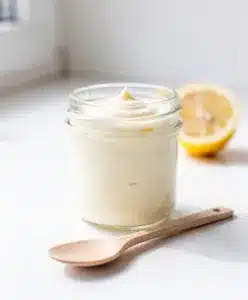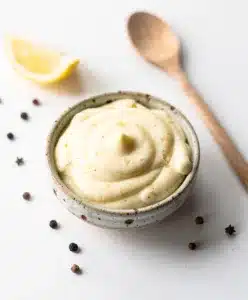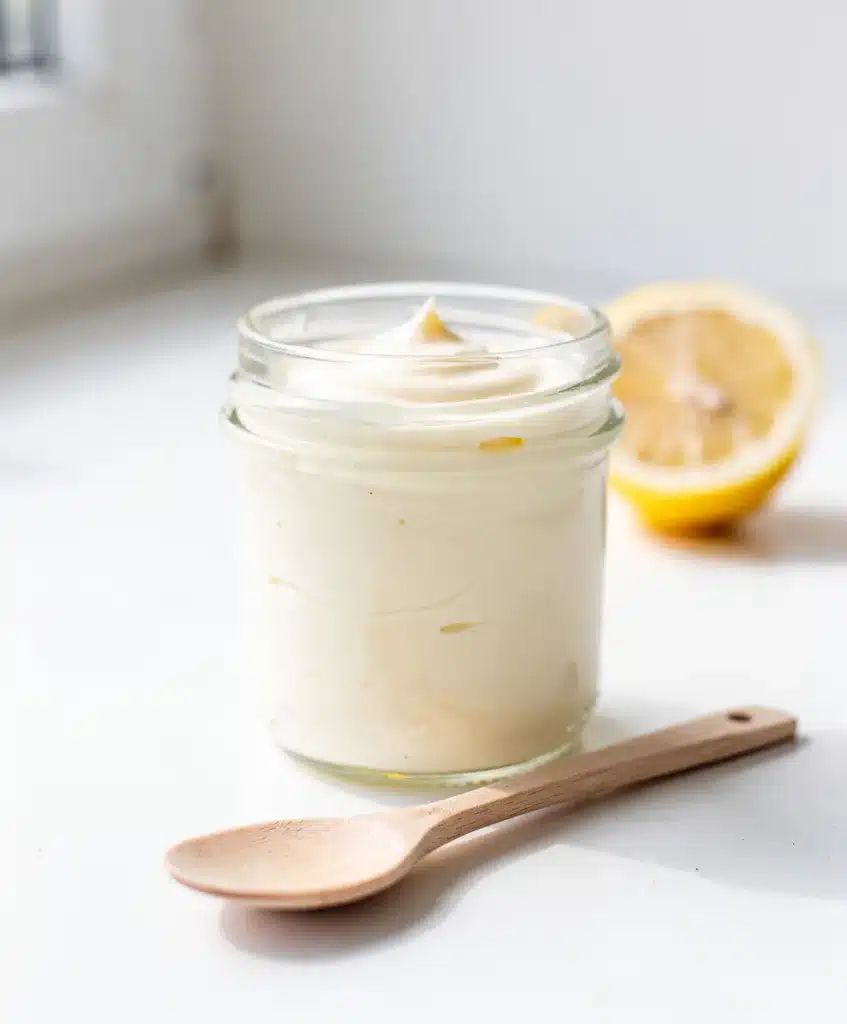
The story of mayonnaise is a delicious debate, claimed by towns from France to Spain. No matter its origin, mastering this creamy emulsion connects your kitchen to centuries of culinary tradition. I remember the first time I whisked my own batch, watching a simple egg yolk and oil transform into something silky and rich. It was a revelation. That jar of store-bought stuff, with its faint chemical aftertaste, was officially banished from my fridge. Making mayonnaise homemade is one of those simple kitchen acts that feels quietly empowering. It’s a foundational skill, a building block for so many meals that feel like home, like the perfect Classic Tuna Pasta Salad. This classic homemade mayonnaise recipe is your ticket to that feeling. It’s about taking control of flavor, knowing exactly what’s in your food, and creating a condiment that’s leagues above anything you can buy. It’s the secret to turning a simple sandwich into a celebration and a basic salad into a creamy dream. Let’s make some magic.
Table of Contents
Classic Homemade Mayonnaise

A simple, creamy emulsion made from egg yolk, oil, and lemon juice. This foundational recipe yields a rich, superior condiment in just minutes, far surpassing store-bought versions. It’s the perfect base for sandwiches, salads, and dips.
- Prep Time: 5min
- Cook Time: 0min
- Total Time: 5min
- Yield: About 1 cup 1x
- Category: condiment
- Method: emulsifying
- Cuisine: French
Ingredients
- 1 large egg yolk, at room temperature
- 1 teaspoon Dijon mustard
- 1 tablespoon fresh lemon juice or white wine vinegar
- 1/2 teaspoon fine sea salt, plus more to taste
- 1 cup neutral oil (like avocado, grapeseed, or a light olive oil)
- 1–2 teaspoons warm water (optional, for adjusting consistency)
Instructions
- In a medium bowl, whisk together the egg yolk, Dijon mustard, lemon juice, and salt until smooth and slightly thickened.
- While whisking constantly, add the oil one drop at a time until about a quarter of the oil is incorporated and the mixture is thick and creamy.
- Once the emulsion is stable, continue whisking constantly while adding the remaining oil in a very thin, steady stream.
- Taste and adjust seasoning with more salt or lemon juice if desired. If the mayonnaise is too thick, whisk in warm water, one teaspoon at a time, until the desired consistency is reached.
Notes
For a stable emulsion, add the oil very slowly at first. If the mayonnaise breaks, start with a fresh egg yolk in a clean bowl and slowly whisk the broken mixture into it. Store in an airtight container in the refrigerator for 3-4 days.
Nutrition
- Serving Size: 16
- Calories: 100
- Sugar: 0
- Sodium: 60
- Fat: 11
- Saturated Fat: 1
- Unsaturated Fat: 9
- Trans Fat: 0
- Carbohydrates: 0
- Fiber: 0
- Protein: 0
- Cholesterol: 12
Ingredients List
Classic homemade mayonnaise begins with just a handful of simple, pure ingredients. The magic is in their transformation.
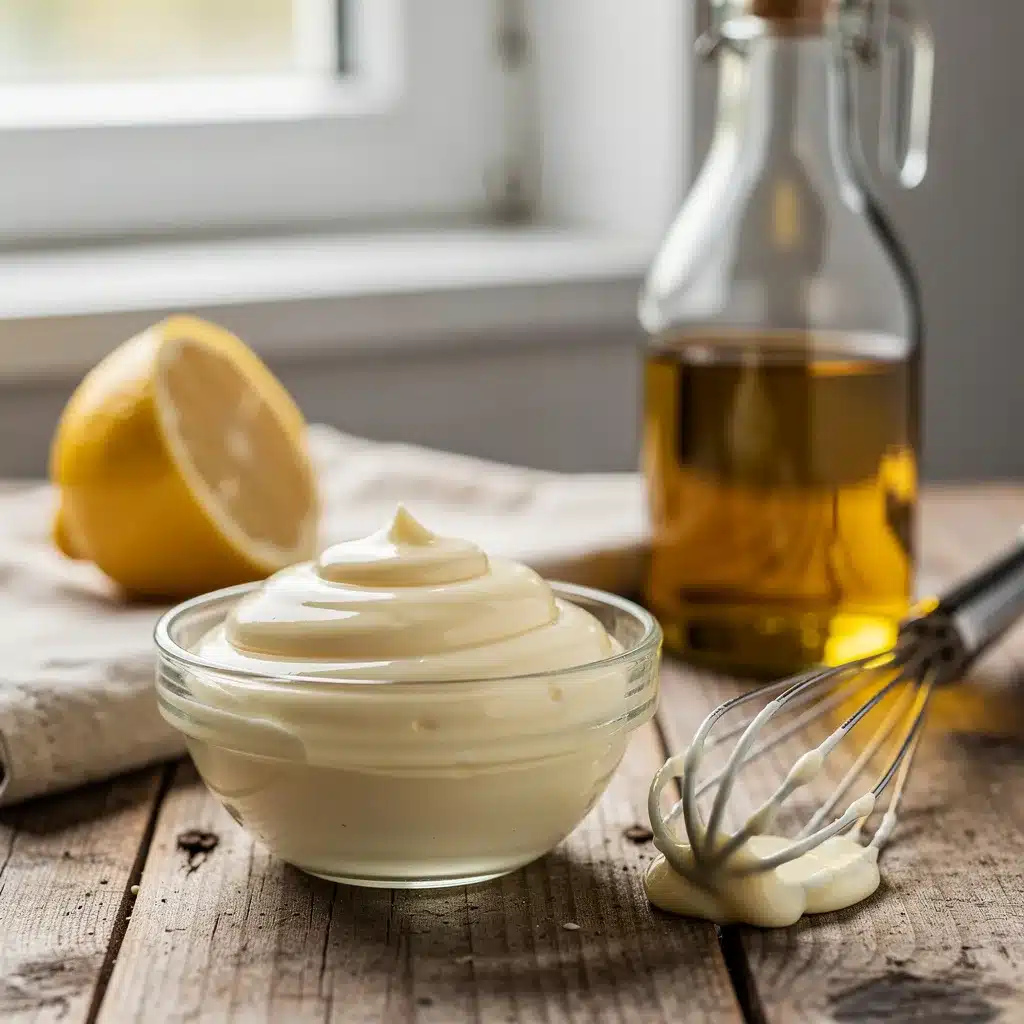
- 1 large egg yolk, at room temperature
- 1 teaspoon Dijon mustard
- 1 tablespoon fresh lemon juice or white wine vinegar
- 1/2 teaspoon fine sea salt, plus more to taste
- 1 cup neutral oil (like avocado, grapeseed, or a light olive oil)
- 1-2 teaspoons warm water (optional, for adjusting consistency)
Smart Swaps & Notes:
- Egg Concern: For a cooked egg version, you can use pasteurized egg yolks.
- Oil Choices: A blend of 3/4 cup light olive oil and 1/4 cup a more flavorful oil like extra virgin olive oil adds wonderful depth. Avoid using 100% extra virgin olive oil for your first try, as its strong flavor can dominate.
- Acid Swap: White wine vinegar, champagne vinegar, or even a splash of apple cider vinegar can stand in for the lemon juice for a different tangy profile.
Timing
This best homemade mayonnaise recipe is famously quick. From gathering your tools to dipping your first spoon, you’re looking at:
- Prep Time: 5 minutes
- Total Time: 5 minutes
Yes, it’s that fast. In less time than it takes to find your keys and run to the store, you can have a fresh, superior condiment ready.
Step-by-Step Instructions
The process for making mayonnaise homemade is a gentle, steady dance. Follow these steps, and you’ll have perfect results every time.
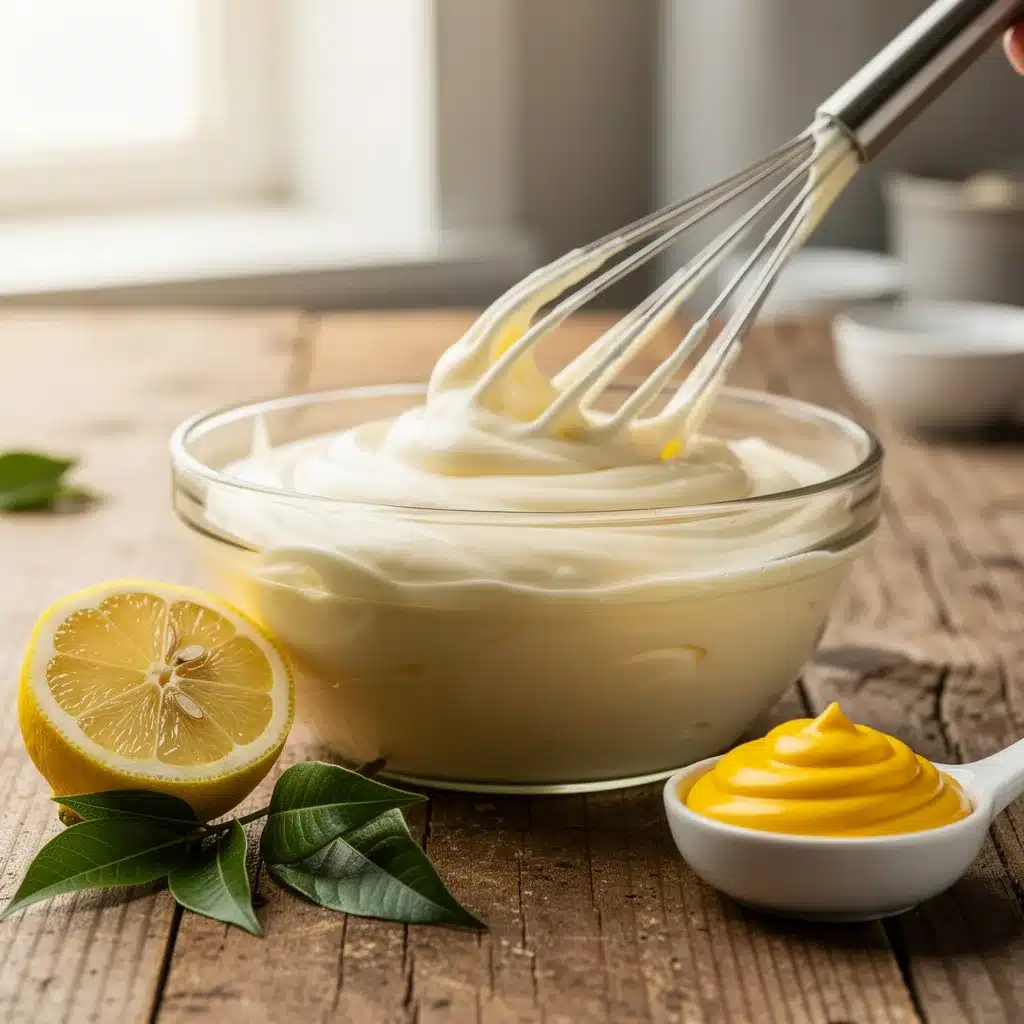
- Prepare Your Base: In a medium bowl (one that won’t slide around—a damp towel underneath helps), combine the egg yolk, Dijon mustard, lemon juice, and salt. Whisk vigorously until the mixture is smooth, pale, and slightly thickened. This base, called an emulsion starter, is crucial for success.
- Start the Emulsion: Add the oil, one drop at a time, while whisking constantly. I mean it—truly a drop. This slow start is the non-negotiable secret to a stable, creamy classic homemade mayonnaise. Whisk until each drop is fully incorporated before adding the next. After about 1/4 of the oil has been added, the mixture will begin to look thick, creamy, and pale.
- Stream in the Rest: Once you have a stable base, you can start adding the remaining oil in a very thin, steady stream while continuing to whisk constantly. Don’t rush. Let the oil drizzle in from the side of the bowl as you whisk from the center.
- Check and Adjust: Once all the oil is incorporated, you should have a thick, luscious mayonnaise. Taste and adjust seasoning with more salt or a squeeze of lemon if needed. If it’s thicker than you prefer, whisk in a teaspoon or two of warm water to loosen it to your perfect consistency.
Nutritional Information
A tablespoon of this classic homemade mayonnaise contains approximately:
- Calories: 100
- Fat: 11g
- Carbohydrates: 0g
- Protein: 0g
- Sodium: 60mg
While rich, you control the quality of fats. Using a heart-healthy oil like avocado oil provides monounsaturated fats. The egg yolk offers vitamins A, D, E, and choline. Remember, a little of this flavorful homemade mayonnaise recipe easy goes a long way in dressing a salad or finishing a dish.
Equipment Needed
You don’t need fancy gear for this best homemade mayonnaise recipe. A few trusty tools make the process smooth.
- A Medium Mixing Bowl: Preferably one with a rounded bottom to help you whisk efficiently.
- A Balloon Whisk: My preferred tool for feeling the emulsion come together. You can see and control every step.
- A Measuring Spoon and Cup: For accuracy with your oil.
- A Small Pouring Jug or Cup: This makes streaming the oil in a thin line much easier than pouring from a large bottle.
Why You’ll Love This Recipe
This isn’t just a condiment; it’s a kitchen upgrade.
- Unbeatable Flavor & Texture: Silky, rich, and clean-tasting, with none of the stabilizers or off-notes found in store brands.
- Total Customization: Once you master the base, the world is yours. Add garlic for aioli, fresh herbs, smoked paprika, or a dash of hot sauce.
- Incredibly Fast: Five minutes for a lifetime of better sandwiches, salads, and dips.
- Cost-Effective: Making mayonnaise homemade with quality ingredients often costs less than premium store-bought jars.
- A Foundational Skill: Mastering this emulsion builds confidence for other sauces and dressings.
Healthier Alternatives for the Recipe
You can easily tweak this classic homemade mayonnaise to fit different dietary needs.
- Lighter Version: Substitute up to 1/4 cup of the oil with aquafaba (the liquid from a can of chickpeas) for a slightly lighter texture.
- Different Fats: Use all avocado oil for its high smoke point and nutrient profile, or try melted, cooled coconut oil for a unique flavor (it will solidify when chilled).
- Vegan Option: While not a traditional mayonnaise, a creamy emulsion can be made using soaked cashews or silken tofu as a base blended with oil, lemon, and mustard.
Serving Suggestions
Your fresh batch of classic homemade mayonnaise is a culinary multitool.
- The Ultimate Sandwich Spread: It’s the essential layer in a perfect BLT or elevates a simple turkey sandwich.
- Creamy Salad Base: It’s the star in my Classic Tuna Pasta Salad, binds a delicious Chicken Caesar Pasta Salad, and is the creamy foundation for a zesty Lemon Pepper Tuna Pasta Salad.
- Dip & Drizzle: Thin it with a little buttermilk for a quick veggie dip or drizzle it over roasted asparagus or grilled artichokes.
- Flavor Canvas: Stir in chopped dill pickles for a tartar sauce, or mix it into my Dill Pickle Tuna Pasta Salad for an extra punch. For a richer, greener twist, blend it with avocado for a spread like the one in my Creamy Avocado Tuna Pasta Salad.
Common Mistakes to Avoid
A few simple tips will guarantee your homemade mayonnaise recipe easy success every time.
- Adding Oil Too Fast: This is the number one reason for a broken mayonnaise. The initial drop-by-drop phase is non-negotiable for building a stable emulsion.
- Cold Ingredients: Using a cold egg yolk straight from the fridge can hinder emulsification. Let your egg sit out for 15-20 minutes first.
- Not Whisking Enough: You need constant, vigorous motion, especially at the beginning. If your arm gets tired, that’s a good sign!
- Using the Wrong Oil: A very strong, bitter extra virgin olive oil can make your mayonnaise taste overpowering. Stick with neutral or use a blend.
- Giving Up on a “Broken” Batch: If your sauce separates, don’t toss it! Start with a fresh egg yolk in a clean bowl and very slowly whisk the broken mixture into it. It will usually come back together.
Storing Tips for the Recipe
Because this classic homemade mayonnaise contains a raw egg yolk, proper storage is key.
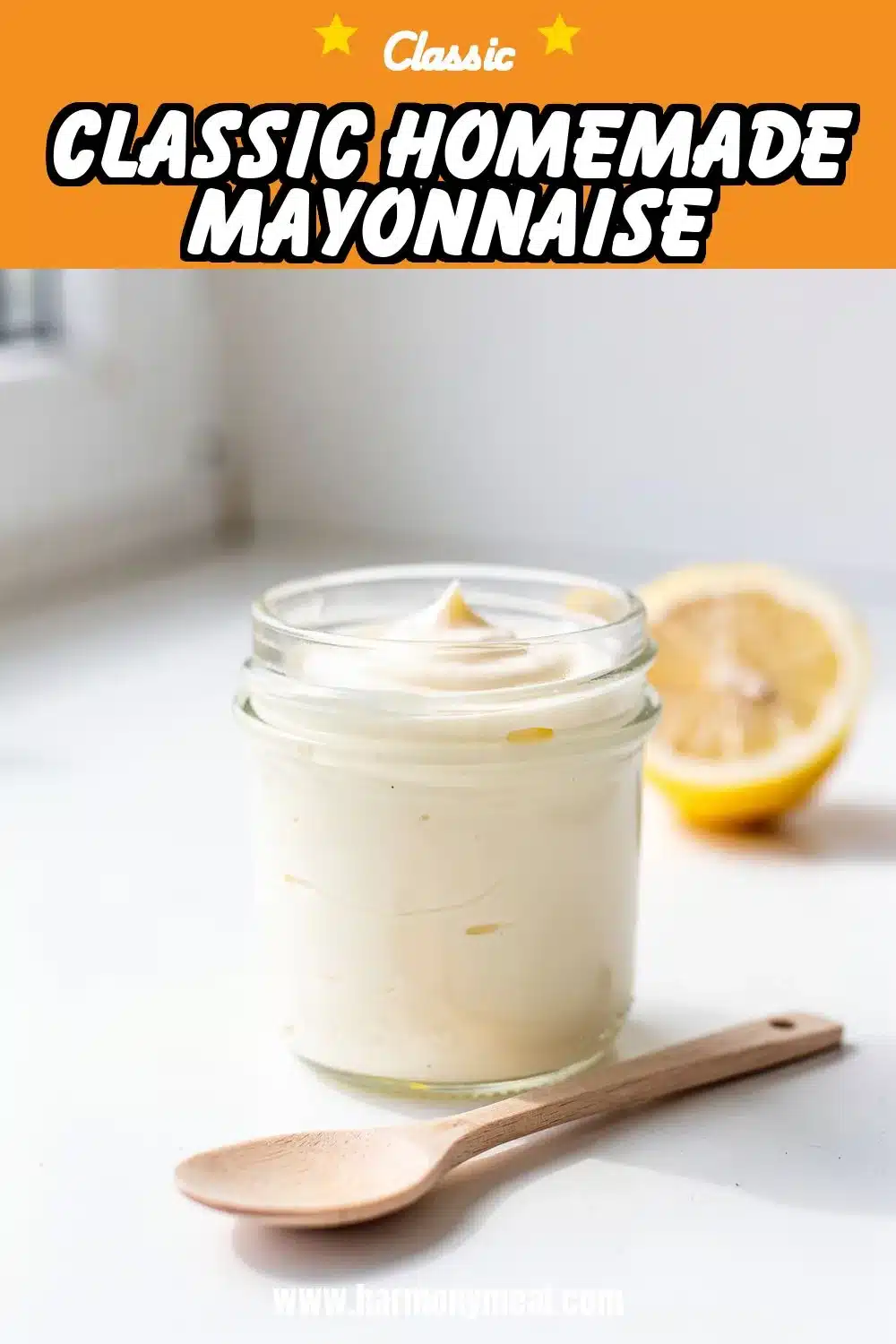
- Refrigeration: Always store your mayonnaise in a clean, airtight container in the refrigerator. It will keep safely for 3-4 days.
- Freezing: Freezing is not recommended, as it will cause the emulsion to break and become grainy when thawed.
- Best Practice: Make it fresh for best flavor and texture. Since it comes together in minutes, I recommend making smaller batches more frequently.
Conclusion
There’s a quiet satisfaction that comes from making something foundational from scratch. This classic homemade mayonnaise recipe is more than a recipe; it’s a small act of kitchen independence. It transforms everyday meals with its pure, creamy richness and puts you in the driver’s seat of flavor. I hope you give it a try and experience the difference for yourself. Once you taste the bright, clean result of making mayonnaise homemade, you might just find it becomes a weekly ritual. I’d love to hear how it goes for you! Share your creations or your favorite flavor twist in the comments below. And if you’re looking for the perfect dish to showcase your new condiment, try it in one of my creamy pasta salads linked throughout this post. Happy whisking.
FAQs about Classic Homemade Mayonnaise
What is the secret to good homemade mayonnaise?
The key to good homemade mayonnaise is using fresh, high-quality ingredients, especially the eggs and oil. Also, emulsifying the mixture slowly and steadily is crucial to prevent it from breaking. Room temperature ingredients are also essential for a smooth emulsion.
How long does homemade mayonnaise last in the fridge?
Homemade mayonnaise typically lasts for 3-4 days in the refrigerator. Because it doesn’t contain preservatives, it spoils faster than store-bought varieties. Store it in an airtight container in the coldest part of your fridge.
What kind of oil is best for homemade mayonnaise?
Neutral-flavored oils like avocado, light olive oil, or grapeseed oil are best for homemade mayonnaise. Stronger oils, such as extra virgin olive oil, can overpower the flavor and make the mayonnaise bitter.
Why is my homemade mayonnaise runny?
Runny mayonnaise usually indicates that the emulsion didn’t form properly. This can happen if the oil was added too quickly, the ingredients were too cold, or the egg wasn’t fresh. Try whisking in a small amount of Dijon mustard or an extra egg yolk to help stabilize it.
Can I use a blender or food processor to make mayonnaise?
Yes, you can use a blender or food processor to make mayonnaise. These appliances can actually make the process easier and faster. However, it’s still important to add the oil slowly and steadily to ensure proper emulsification.
Is homemade mayonnaise safe to eat?
Homemade mayonnaise is safe to eat if made with pasteurized eggs and stored properly. However, there’s always a small risk of salmonella with raw eggs. If you’re concerned, use pasteurized eggs or follow a recipe that involves cooking the eggs slightly.
💬 Let’s Stay Connected!
For daily recipes, kitchen tips, and exclusive content, follow me on:
👉 Facebook for behind-the-scenes & community fun
👉 Pinterest for visual inspiration & meal ideas
👉 X (Twitter) for quick tips & trending recipes
📲 Join the flavor journey, your next favorite recipe is just a follow away!